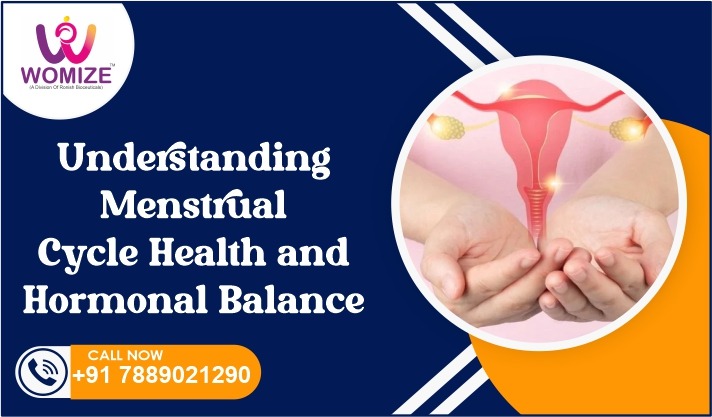
Understanding menstrual cycle health and hormonal balance is important for women of all age groups. A regular cycle shows that the body is working in a stable way, while irregular patterns may point toward underlying concerns. This blog explains how hormones influence each phase of the cycle, how lifestyle habits support balance, and why guidance from Womize and certified Gynecological Specialists can help maintain long-term wellness. We also share information about our support for a Gynecological PCD Pharma Franchise for wholesalers, doctors, and MRS.
Importance of Hormonal Balance
Hormonal balance plays a major role in maintaining a healthy menstrual cycle. The main hormones involved are estrogen, progesterone, follicle-stimulating hormone, and luteinizing hormone. Each one has a specific function, and even a small shift can change the timing of the cycle. Understanding these changes helps women notice early signs of imbalance. Regular monitoring, healthy habits, and timely consultation with Gynecological Specialists help reduce discomfort and improve overall health.
Phases of the Menstrual Cycle
A menstrual cycle typically lasts 28 days, although 21 to 35 days is also considered normal. The cycle has several phases, and each phase depends on the right hormonal signals.
Menstrual Phase
In the menstrual phase, the body sheds the uterine lining. This phase varies in length and may last from three to seven days.
Follicular Phase
During the follicular phase, hormones prepare the ovaries for ovulation. The body begins building the uterine lining again.
Ovulation Phase
Ovulation is the release of an egg, which usually occurs around the middle of the cycle. This phase marks the most fertile period.
Luteal Phase
The luteal phase prepares the body for a possible pregnancy. If pregnancy does not occur, hormone levels fall and the cycle starts again.
Causes and Signs of Hormonal Imbalance
Hormonal imbalance may happen due to stress, poor diet, lack of sleep, or underlying conditions such as thyroid disorders or polycystic ovary syndrome. Signs of imbalance may include heavy bleeding, missed periods, severe cramps, and sudden mood changes. Women experiencing such symptoms benefit from early consultation with Gynecological Specialists, who provide proper evaluation and medical guidance.
Lifestyle Practices for Hormonal Stability
A balanced lifestyle makes a significant difference in maintaining hormonal stability. Nutritious food supports hormonal production, and minerals like iron, magnesium, and calcium are helpful. Staying hydrated improves circulation and reduces bloating. Regular physical activity supports digestion and improves mood. Sleep is another key factor. Six to eight hours of sleep each night supports hormonal function and reduces menstrual discomfort.
Stress management is also important. Long-term stress affects hormonal signals and may lead to irregular cycles. Relaxation methods such as deep breathing, meditation, or light exercise help calm the mind. Women may also keep track of their cycles through calendars or apps. This allows better understanding of personal patterns and changes.
Read More: Importance of Femcare Products for Modern Women’s Hygiene
Medical Support and Check-ups
Medical support remains important when symptoms continue despite lifestyle adjustments. Gynecological Specialists recommend tests if needed and suggest treatment options based on individual health conditions. Early care prevents complications and helps maintain a stable cycle.
Hygiene and Menstrual Care
Menstrual hygiene practices also support overall wellness. Clean, safe products reduce the risk of infections and irritation. Choosing sanitary pads or menstrual cups based on comfort is important. Frequent changing of products prevents discomfort and maintains hygiene.
Education and Awareness
Young girls should receive correct knowledge about the menstrual cycle. Education helps them understand the purpose of monthly bleeding, recognize normal and abnormal symptoms, and feel confident discussing their health. Parents, teachers, and health professionals contribute to building awareness and providing accurate information.
Hormonal Changes in Menopause
Women nearing menopause also experience hormonal fluctuations. Cycles may become irregular, and symptoms such as hot flashes or mood changes may appear. Understanding these changes reduces confusion and prepares women for this natural transition. Support from Gynecological Specialists ensures proper management during this stage.
Environmental and Emotional Factors
Maintaining cycle health also requires attention to environmental factors. Exposure to harmful chemicals, irregular eating schedules, or excessive intake of processed foods can affect hormonal activity. Women benefit from choosing natural foods, limiting caffeine, and avoiding smoking. These habits support the endocrine system and help keep hormonal shifts stable throughout the month.
Another important factor is regular medical screening. Annual check-ups, pelvic examinations, and timely blood tests provide clarity about internal health. These tests help identify early concerns such as anemia, infections, or hormonal irregularities. Early detection supports better treatment and reduces long-term complications.
Emotional well-being has a direct connection with menstrual health. Strong support from family, friends, and professionals helps women manage mood changes. Open conversations reduce hesitation and encourage women to seek care when needed. Building awareness in homes, schools, and workplaces creates a supportive environment for menstrual health.
Understanding personal triggers also helps manage discomfort. Some women experience cramps due to dehydration, while others notice increased pain due to lack of sleep. Keeping notes helps identify patterns, allowing better planning and preventive care. Simple steps such as warm compresses or light stretching may ease discomfort.
Conclusion
Overall, menstrual cycle health reflects the body’s internal harmony. Good nutrition, stress control, regular check-ups, and proper hygiene contribute to long-term stability. Guidance from Gynecological Specialists ensures safe and correct care. This supports better hormonal balance for women. Top PCD Pharma Company in India